
To fight for a more equitable justice system we must approach it through an anti-racist, intersectional feminist lens.
The U.S. imprisonment rate for black women in 2013 (113 per 100,000) was over twice the rate for white women (51 per 100,000)
Alternatives
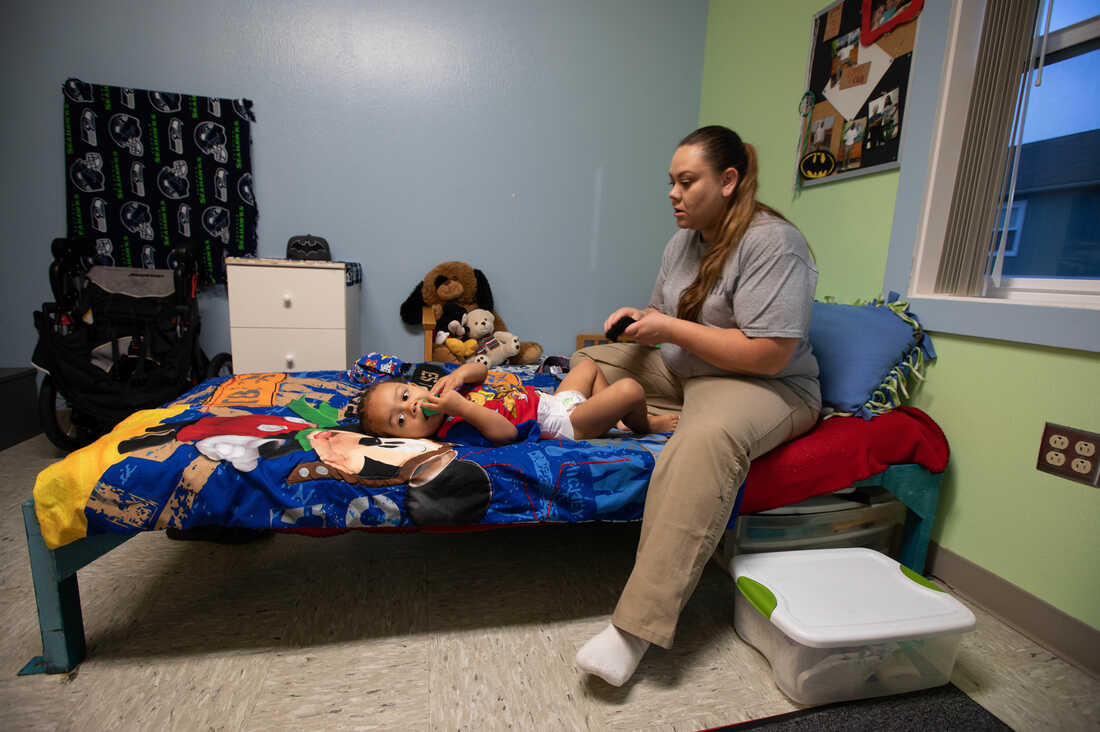
What do alternatives-to-incarceration look like? They look like family structured living, community-based housing units, or avoiding incarceration at all. Alternatives for women who enter the criminal justice system while pregnant should be allowed to live with their children after birth to promote a healthy attachment for mothers and children. This system is popular outside of the United States and has proven to reduce recidivism: Women who participate in the prison nursery program experience a 9% recidivism rate, as opposed to 33% of mothers who had to give up their child after birth.
Eman Mohammed/Eman Mohammed for NPR
Reinvest
Reducing incarceration starts from the ground up. We must reinvest in our communities, children, and families to improve situations and provide support before people act. This means creating community-based organizations focused on eliminating the root issues that beget incarceration: poverty, sexual assault, drugs. After incarceration, returning to the community can present more challenges for these mothers, whose criminal records may prevent them from securing stable housing, employment, education, public assistance benefits, healthcare, and more
Abolish
Abolition of prisons is the ultimate goal.
“[Prison] relieves us of the responsibility of seriously engaging with the problems of our society, especially those produced by racism and, increasingly, global capitalism.”
Angela Y. Davis in Are Prisons Obsolete
The criminal justice system is set up to punish the most marginalized groups and boasts long prison sentences for low-level crimes, but because prison does not offer support and only punishment it does little to reform people.

